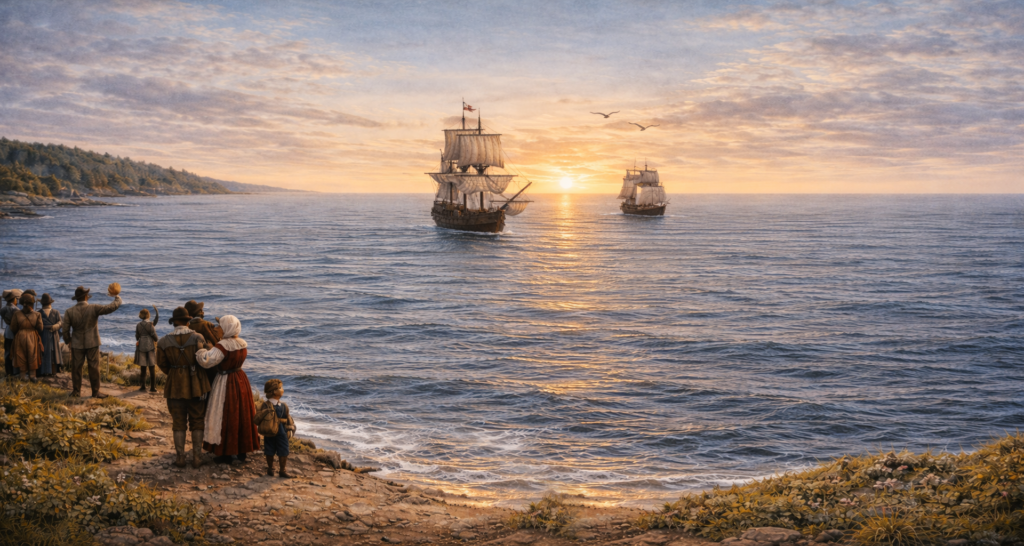
Scudder Family from Horton Kirby, Kent, England to Massachusetts Bay Colony (1635–1644)
Journey with our Scudder immigrant ancestors and their descendants during 400-years of history they helped shape.
Who we are
We are an ancestral family organization dedicated to continuing the vision and work of the original Scudder Association of America founded in 1912 to build community & connection among Scudders to work together to:
- Gather, verify, preserve, and publish accurate history and genealogy of ancestors and descendants of: Thomas Scudder (T), John Scudder (J), Elizabeth (Scudder) (E) Lathrop and of our English ancestors and cousins.
- Build family history skills in youth & adults.
- Foster family bonds and the Scudder heritage of Sacrifice and Service.
What you’ll find here
- Scudder contributions to 400 years of American history & religious history
- Online Scudder Family Historical & Biographical Journal
- Historical & educational resources to promote accurate research
- Family & youth activities to strengthen families & individuals
- Members-only committees, historical resources & genealogical database
Don't Miss
What's New?
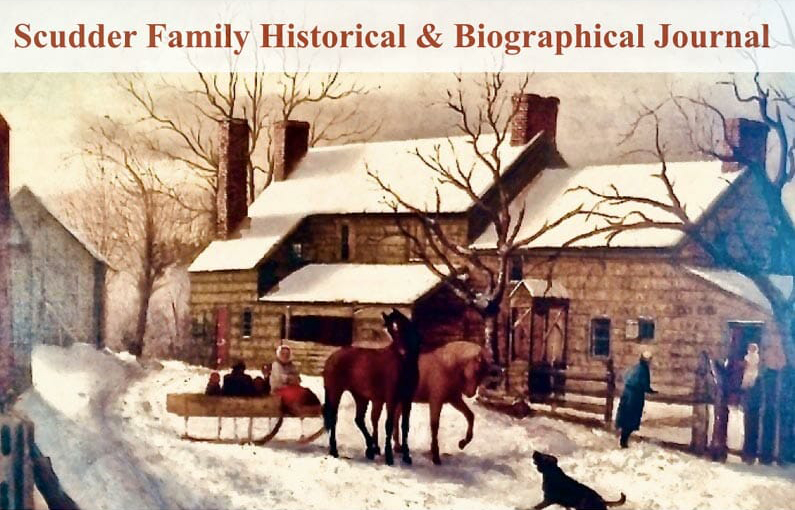
The Scudder Family Historical & Biographical Journal
Dedicated to educating, preserving history and promoting the Scudder heritage of service.
Latest Issue of the Journal, Volume 8, no. 1, (Winter 2026)
Continuing to Honor 400 years of Scudder contributions to America.
1635. John2 Scudder (J), at age 17, immigrated without his family who would come 9 years later.
1637. Thomas1 Scudder (T), John2 (J)’s uncle, arrived at Salem with his wife and five children.
1644. Elizabeth2 Scudder (E), John2 (J)’s sister, their mother and two step siblings arrived at Boston.
Learn more about the Scudders in the Puritan Migration.
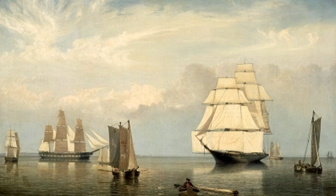
Source: Fitz Hugh Lane, “Salem Harbor,” 1853, Public domain.
Across four centuries, Scudder ancestors and descendants have helped shape America through faith, hard work, leadership, and service. We continue to publish their stories, so they are not lost.
“Scudder History Association’s 2026 Biography Series” to Honor Scudders who contributed to the Cause of American Independence, 1774-1789
“Nathaniel Scudder, John Hart, and the New Jersey and Continental Congresses Prepare”

“New Jersey…Too Rich a Prize to Give Up Without Even the ‘Appearance’ of a Fight”
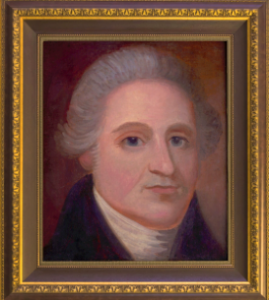
“Deborah Scudder and Her Husband, John Hart, the Signer, of Hopewell, New Jersey”
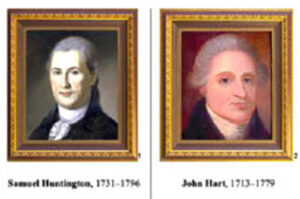
“Scudders or Their Spouses Who Were in the 2nd Continental Congress During 1776-1781”
Join the Scudder History Association
The Scudder History Association is a social, ancestral organization for Scudder family members and descendants who share an interest in family history. By joining, you support the work of gathering, verifying, preserving, and publishing our shared story—especially the lines of Thomas Scudder (T) , John Scudder (J) , and Elizabeth Scudder (E) Lathrop, and about our English roots in Kent, England.
Why join?
Membership helps you connect with relatives, learn from experienced researchers, and contribute to an accurate family record. Member benefits include:
- Access to the Member Portal (including Family & Research Activities & Youth Page)
- Genealogical databases and tools to support your research
- The ability to submit lineage information to strengthen the shared family database
- Committees and collaboration groups for research, projects, and community support
- An email newsletter with updates, announcements, and Journal news
- Meetings and reunions that build social connections across generations and branches of the family
Ready to begin?
Join today to stay connected, preserve Scudder history, and help pass our heritage to future generations.
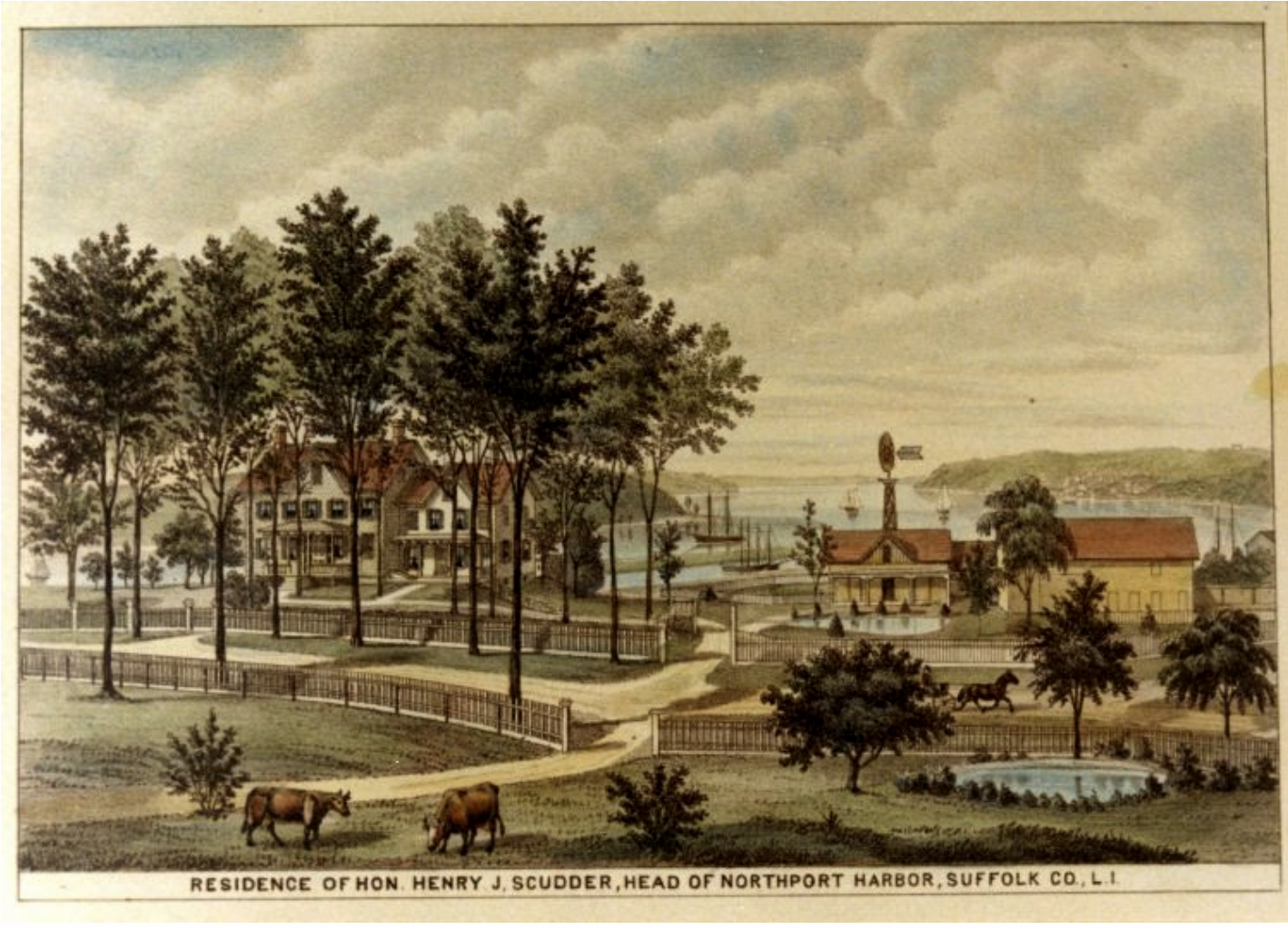
Why Is Family History Beneficial?
Psychologists at Emory University “studied the role of family history knowledge in adolescent development and identity formation [and found] “…irrespective of race or ethnic background, adolescents who know more about their family histories have ‘higher self-esteem, better family functioning, greater family cohesiveness, lower levels of anxiety, and lower incidence of behavior problems.’ Furthermore, having this family information positively correlates with overcoming psychological and educational challenges.” Also true for adults, benefits can include ‘promoting lifelong learning and fostering civic pride and responsibility by placing forbears in context of world, national and local history.’
—From Daniel Webster, “The Enduring Power and Promise of Family History,” American Ancestors, volume 24, no. 4, (Winter 2024), and Carol Clark, “How family stories help children weather hard times,” Emory University, April 29, 2020,
The Scudder History Association encourages these outcomes! We invite you to utilize our Family Activities Page to help younger generations learn more about their family heritage and their nation, including how Scudders helped to build the United States.
”General William Scudder Stryker Made History and Wrote History”
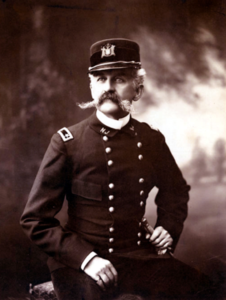
As a boy, General William Scudder Stryker eagerly learned about his family history After interviewing his relatives and taking notes, Stryker later wrote histories about the Battles of Trenton, Princeton and Monmouth, New Jersey, and about other Scudders who fought in the American Revolutionary War.
Explore the Scudder Story
Whether you’re here to connect with family, learn about our earliest ancestors, or dig into documents and research tools, these three paths will help you get started fast.
Start with the immigrant generation and follow the lines forward through time. Explore the stories and records connected to Thomas (T), John (J), and Elizabeth (E) Lathrop, plus our English roots in Kent.
Find guides, references, and curated links to help you research with confidence. Browse library topics, research tips, and tools designed to support your next family-history breakthrough.